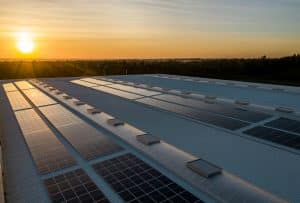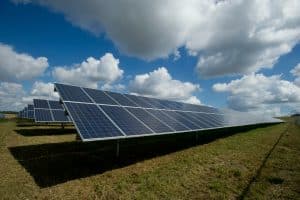

Yazd Province is recognized as one of the primary candidates to become Iran’s solar energy hub due to its climatic, geographical, and even infrastructural advantages. On average, the province benefits from over 300 full days of sunshine per year, with an average annual solar radiation reaching approximately 2,200 kilowatt-hours per square meter. In some specific areas, this figure is even higher.
Such an abundance of free, clean energy is a natural advantage that, if properly utilized, could bring about a tremendous transformation in the regional economy and the nation’s energy security. Furthermore, the relatively flat topography and the presence of vast, low-yield lands in many parts of the province significantly reduce the costs of site preparation and power plant construction.
Another major opportunity lies in the alignment of solar energy production with the consumption patterns of energy-intensive industries in Yazd Province. The province is home to large industries such as steel, tile and ceramics, and mining, which have a continuous and significant demand for electricity. Constructing solar power plants near these industries can reduce their production costs and enhance their market competitiveness by supplying a portion of their required energy. This can be facilitated through private power purchase agreements between the plant developer and the industry.
Furthermore, the relatively developed electricity grid in the province allows for easier connection and sale of surplus production to the national grid.
Given this immense potential, renewable energy development companies like Horan Paya Energy Gostar have placed Yazd Province at the forefront of their development plans. The actions of these companies are not limited to just constructing power plants; by transferring technical knowledge and creating direct and indirect employment, they will also contribute to the sustainable development of the region.
Solar power plants, with their minimal water consumption, are a fitting response to the water scarcity crisis in Yazd Province and are perfectly aligned with its climatic conditions. Therefore, investing in this sector in Yazd Province is not merely an economic choice, but a smart, forward-thinking decision in harmony with the sustainable development of the land, one that can serve as a model for other similar provinces.