
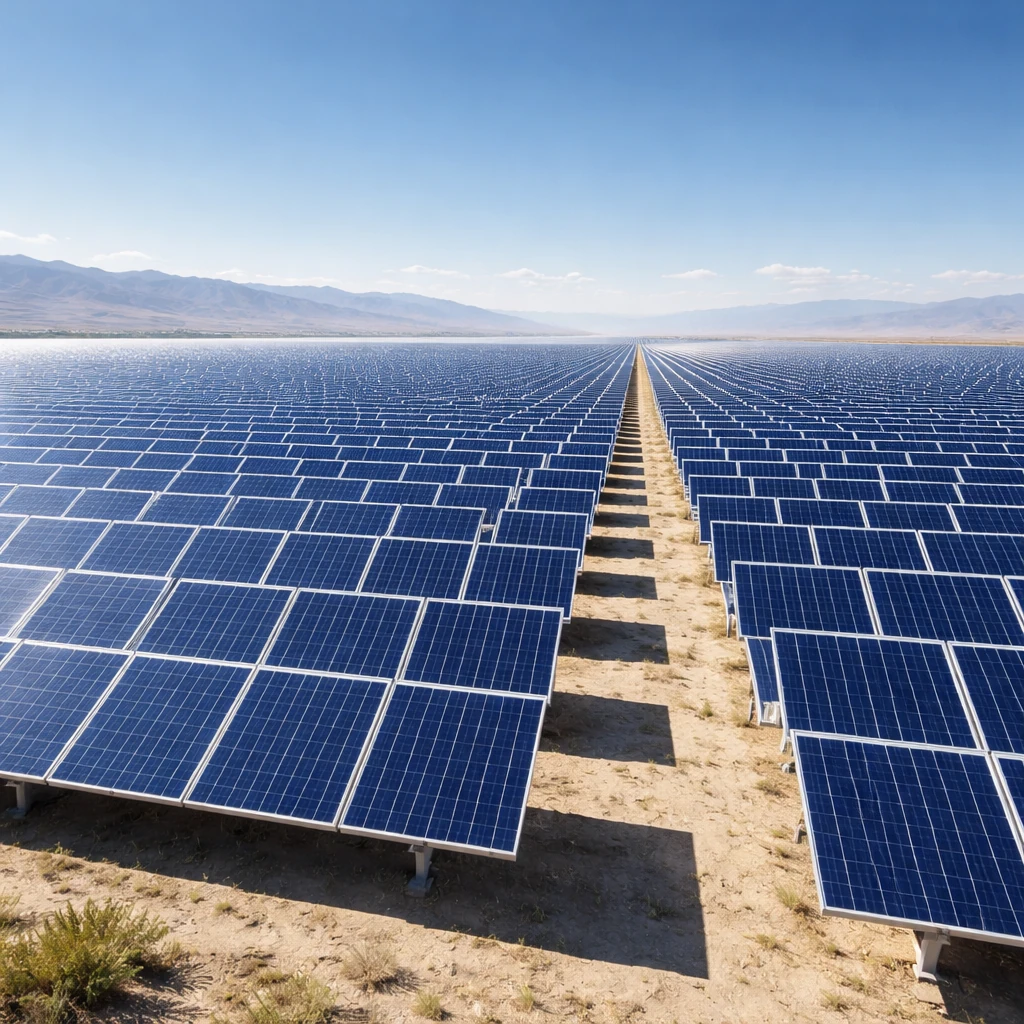
With the growing use of renewable energy worldwide, solar power plants have become one of the most important methods of generating clean electricity. The design and implementation of a solar power plant require a precise understanding of the system’s technical components and the function of each part. Proper knowledge of these components can increase plant efficiency and reduce operational costs. This article examines the main components of a solar power plant and the role each plays in the electricity generation process.
Solar Panels
Solar panels are considered the most important part of a solar power plant. These panels are made of photovoltaic (PV) cells that convert sunlight into electrical energy. When sunlight strikes the surface of these cells, electrons in the semiconductor material are excited and generate an electric current.
Today, several types of solar panels are available on the market, with the most common being monocrystalline, polycrystalline, and thin‑film panels. Due to their higher efficiency and longer lifespan, monocrystalline panels are widely used in solar power plant projects.
Solar Inverter
The electricity generated by solar panels is in the form of direct current (DC), while the electrical grid and most electrical equipment operate on alternating current (AC). The solar inverter converts the DC electricity produced by the panels into usable AC electricity.
Choosing the right inverter is one of the most important factors in designing a solar power plant. In addition to current conversion, inverters play a key role in system control, performance optimization, and equipment protection. Today, smart inverters with online monitoring capabilities are widely used in solar projects.
Mounting Structure
The mounting structure is a critical component that supports and stabilizes the solar panels. These structures must be designed so that the panels are positioned at the optimal angle relative to sunlight.
Using strong and durable structures resistant to environmental conditions such as wind, rain, and temperature changes is crucial. In large-scale plants, solar trackers are sometimes used. These systems adjust the angle of the panels throughout the day to maximize solar energy absorption.
Cabling System and Electrical Equipment
To transfer the electricity produced by the panels to the inverter and then to the grid, cabling systems and protective devices are used. This section includes DC and AC cables, junction boxes, electrical panels, and protective components such as fuses and circuit breakers.
Proper design of the cabling system plays an important role in minimizing energy losses and increasing the plant’s safety. Using standard, high‑quality equipment can enhance the system’s lifespan.
Plant Monitoring System
Modern solar power plants use monitoring systems to oversee equipment performance. These systems provide real‑time data such as electricity production, panel performance, inverter status, and solar irradiance levels.
With access to this information, operators can quickly detect potential issues and take necessary actions to increase plant efficiency.
Conclusion
A solar power plant consists of a set of specialized components, each playing a key role in electricity generation. Solar panels, inverters, mounting structures, cabling systems, and monitoring equipment are among the most important elements of such plants. Proper design and selection of high‑quality components can increase efficiency, reduce maintenance costs, and extend the lifespan of the plant. The development of this technology not only contributes to clean energy production but also represents a significant step toward reducing dependence on fossil fuels and protecting the environment.
