
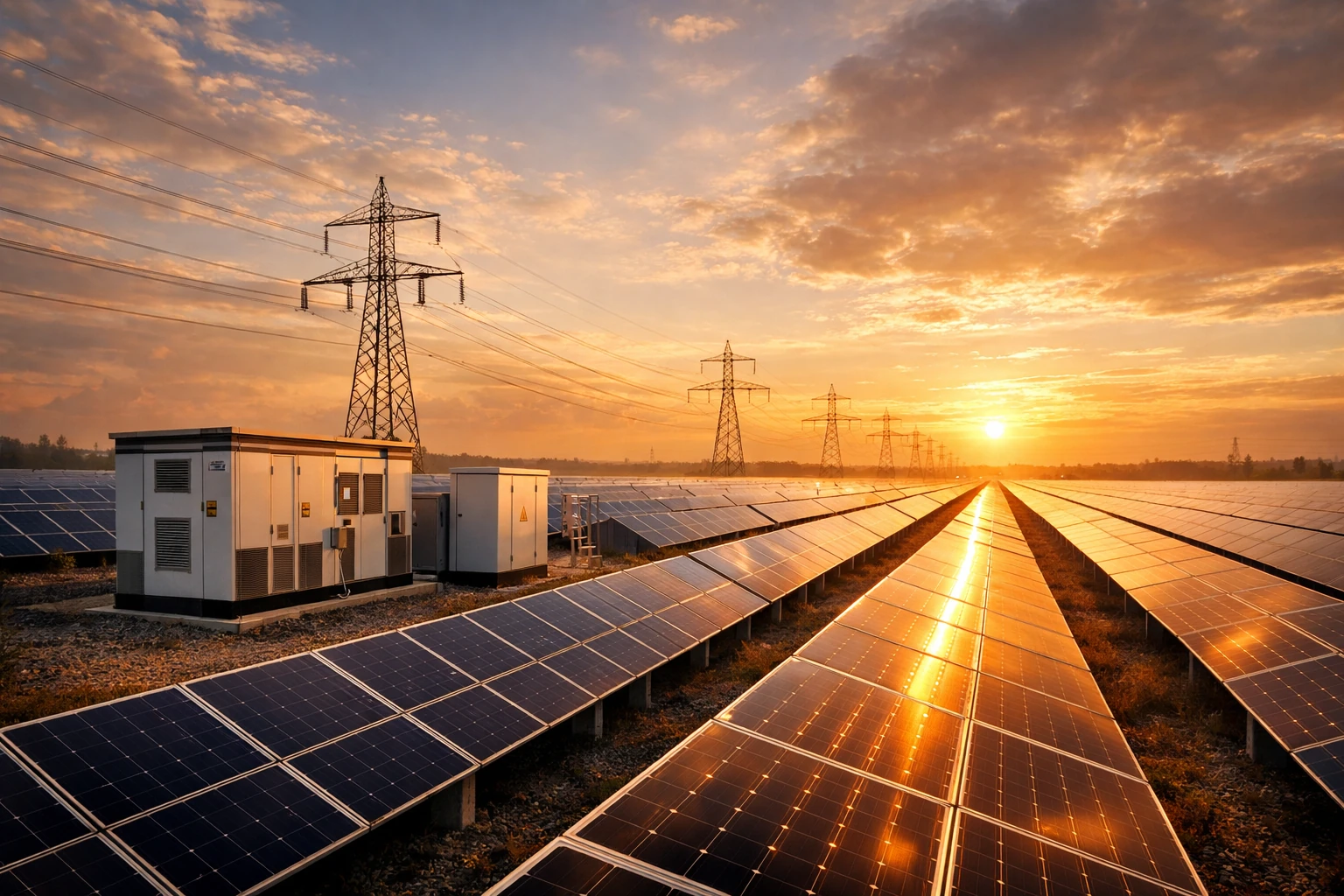
With the global expansion of solar power plants, proper operation and maintenance (O&M) has become one of the most important factors in preserving system efficiency and extending equipment lifespan. Although solar power plants require less maintenance compared to many other types of power plants, neglecting operational and technical considerations can lead to reduced energy production, increased repair costs, and even equipment damage. This article examines the key technical principles of operating and maintaining solar power plants.
Importance of Maintenance in Solar Power Plants
Photovoltaic power plants consist of various components such as solar panels, inverters, mounting structures, cabling systems, and protective equipment. Each of these components may experience performance degradation if not properly maintained.
Proper maintenance ensures that:
- Power‑generation efficiency remains at an optimal level
- Equipment lifespan is extended
- Unexpected repair costs are reduced
- Long‑term stable plant performance is ensured
In many solar plants, implementing a structured O&M program can increase annual energy production by several percent.
Periodic Inspection of Solar Panels
Solar panels are the core components of a PV plant, and their performance directly determines the amount of electricity generated. One of the most important maintenance tasks is regular inspection of the panels.
These inspections typically evaluate:
- Cracks or physical damage on the panel surface
- Discoloration or the formation of hot spots
- Integrity of connectors and cabling attached to the panels
- Dust, dirt, or bird droppings on the panel surface
Hot spots can indicate defects in individual solar cells, and if not diagnosed early, they may reduce the performance of the entire panel string.
Panel Cleaning and Pollution Control
Dust and contamination on panel surfaces are among the major causes of efficiency loss. In dry or industrial regions, the accumulation of dust can significantly reduce power generation.
Therefore, regular panel cleaning is essential. Cleaning operations are typically performed using demineralized water and special equipment to avoid scratching the glass surface.
The cleaning schedule depends on several factors, including:
- Local climate
- Dust concentration in the environment
- Seasonal variations
- Natural rainfall levels
In some large solar power plants, robotic or automated cleaning systems are employed to reduce maintenance costs.
Maintenance and Inspection of Inverters
Inverters are among the most sensitive components because they convert the DC power generated by panels into AC power usable by the grid.
During plant operation, the following must be checked regularly:
- Inverter performance and recorded error logs
- Health of cooling systems and fans
- Operating temperature
- Electrical connections
Most modern inverters come with online monitoring systems that provide real‑time performance data.
Inspection of Cabling and Protective Equipment
The cabling system includes DC/AC cables, junction boxes, switchboards, and protective devices. This system plays a key role in safely delivering the generated energy.
Maintenance procedures should include checking:
- Cable insulation integrity
- Corrosion‑free connections
- Proper functioning of fuses and protective switches
- Grounding system condition
Faulty connections or damaged cables can reduce performance and pose safety hazards.
Using Monitoring and Data‑Analysis Systems
Many modern solar plants are equipped with advanced monitoring systems that provide detailed information about equipment performance. These systems record and analyze data such as electricity generation, string‑level performance, inverter operation, and solar irradiance.
Using this data helps:
- Detect performance drops quickly
- Predict equipment failure
- Optimize the maintenance schedule
Performance‑data analysis is one of the most important methods for improving efficiency in modern solar plants.
Conclusion
Proper operation and maintenance of a solar power plant play a vital role in maximizing efficiency, minimizing operational costs, and extending equipment lifespan. Regular panel inspections, scheduled cleaning, inverter checks, cable‑system control, and advanced monitoring are among the most important actions in technical management of solar plants.
With a well‑structured O&M plan, long‑term stable performance of the solar plant can be ensured, allowing full utilization of its solar‑energy production capacity.
