
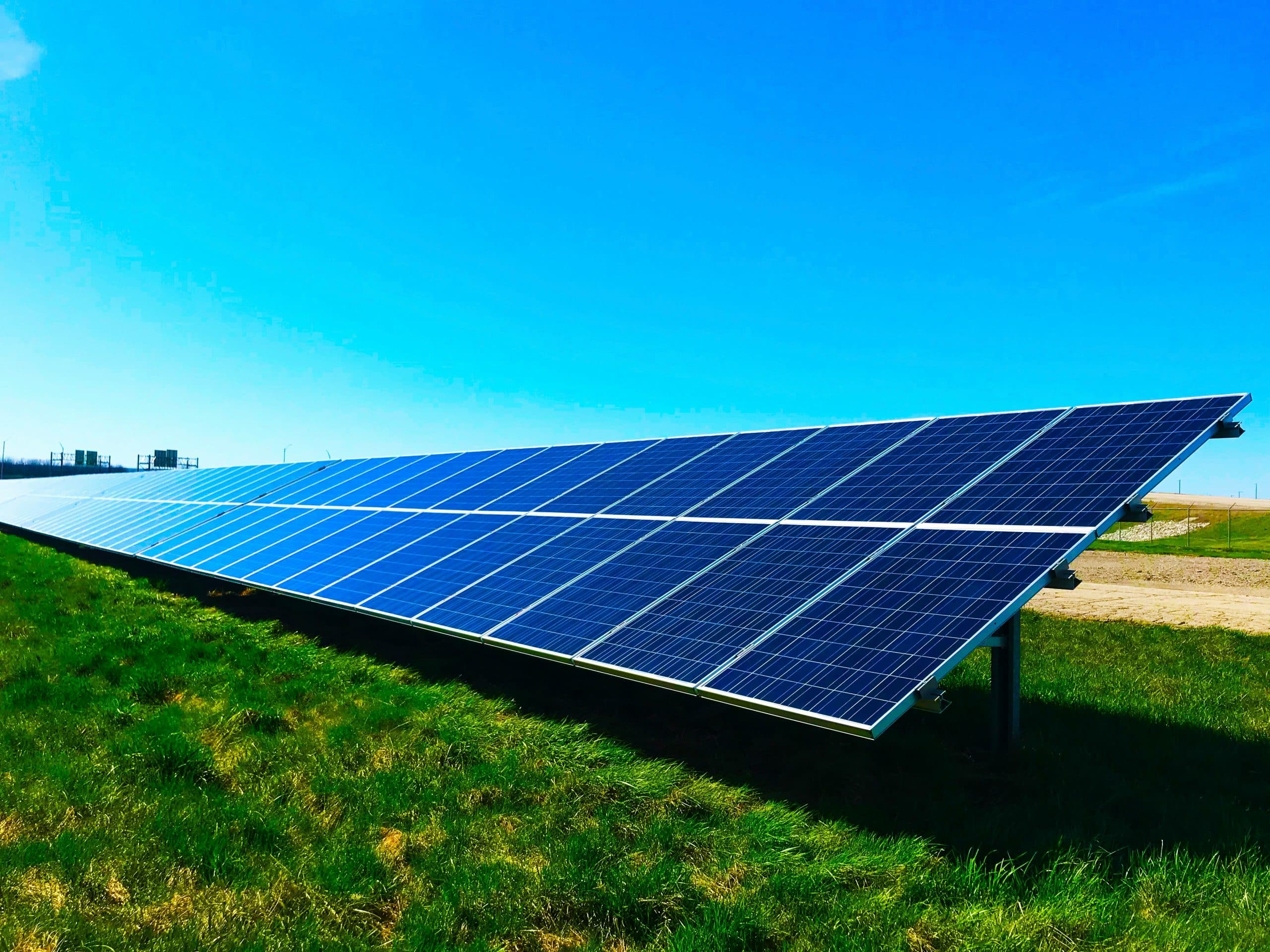
The resilient economy, as a sustainable and endogenous model, emphasizes reducing dependence on volatile external resources, maximizing the use of domestic capabilities, and increasing resilience against economic shocks. Within this framework, the development of solar power plants emerges as one of the most efficient and strategic practical solutions.
Solar energy, available across Iran’s geography, serves as a domestic, inexhaustible, and free resource, providing a solid foundation for the country’s energy independence. Investment in this sector not only reduces the outflow of currency for supplying fuel to fossil fuel power plants but also, by stabilizing electricity generation costs in the long term, shields the industrial and manufacturing sectors from fluctuations in global energy carrier prices. This plays a vital role in maintaining economic stability, especially under conditions of sanctions and global market volatility.
Another aspect of this connection is stimulating the domestic production and employment cycle. The value chain of developing solar power plants—from the stages of studies and design to the manufacturing of structures, installation, commissioning, and subsequent services—can invigorate Iranian businesses and create both direct and indirect job opportunities.
The growth of this industry increases the demand for domestically produced related equipment, such as mounting structures, cables, electrical components, and even, in the long term, solar cells. This can lead to the establishment and strengthening of knowledge-based industries within the country. Companies like Horan Paya Energy Gostar, by focusing on the development of large-scale projects, create a platform for the participation and growth of other small and medium-sized enterprises within this ecosystem, all while attracting domestic investment. In practice, this contributes to increasing “national production” and “sustainable employment,” two fundamental pillars of the resilient economy.
Finally, solar power plants make a significant contribution to reducing air pollution and preserving the environment by providing clean energy. This matter is important not only for its direct impact on public health and reducing substantial healthcare costs but also from the perspective of a resilient economy. This is because environmental degradation and pollution, in the long term, impose heavy costs of restoration and treatment on the national economy. Therefore, investing in solar energy is a form of preventive and forward-thinking investment to preserve the country’s natural capital.
Considering long-term goals, such as the 20,000-megawatt program of Horan Paya Energy Gostar Company, it becomes clear that developing solar energy in Iran is more than just an option; it is a strategic necessity for achieving a resilient economy, energy security, and sustainable development. In this vision, economic, social, and environmental benefits align in perfect harmony.
