
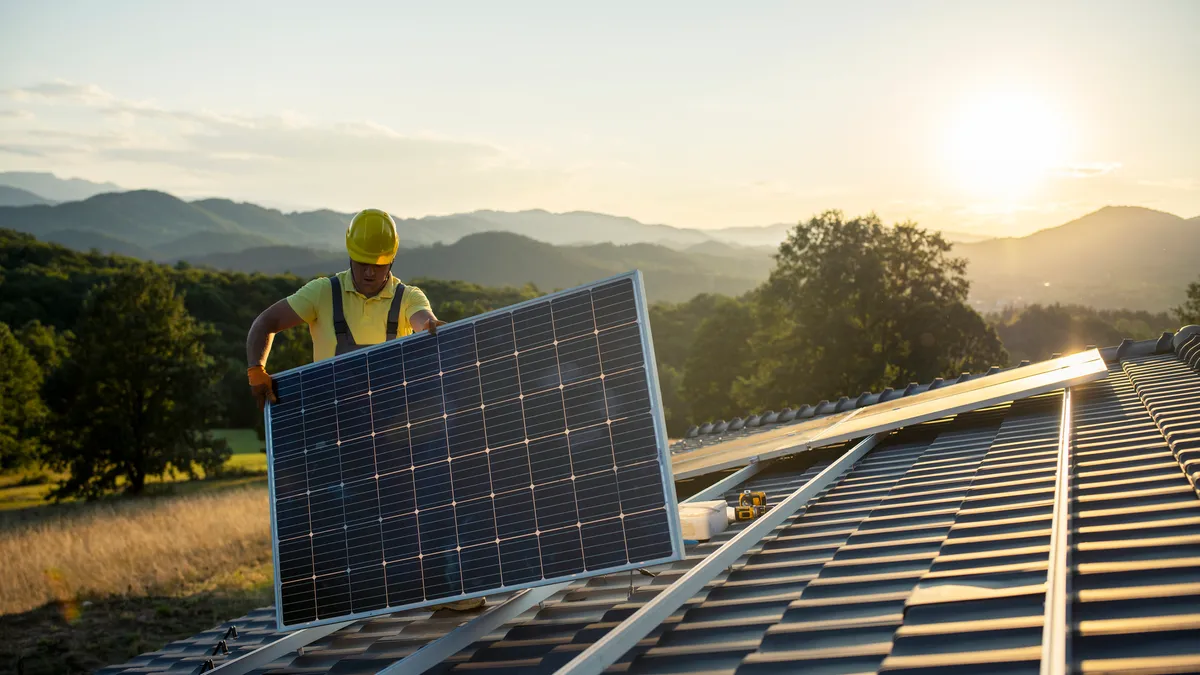
The projected relative slowdown in global solar energy growth in 2026 stems from a set of complex policy and infrastructure challenges. One of the key factors is policy instability in some major economies. For example, changes in federal support policies in the United States following the 2024 elections and revisions to tax incentives have created significant uncertainty for project developers. This instability may affect investment flows and the implementation timelines of large-scale projects.
In addition, infrastructure challenges—particularly limitations in electricity transmission networks—have emerged as a critical bottleneck. In many parts of the world, such as North America, long interconnection queues have become a serious obstacle for solar and wind developers. This constraint means that even if new generation capacity is built, transmitting clean electricity to consumption centers is not easily achievable. As a result, project economic returns decline, and investment incentives are undermined. Ongoing global trade tensions and the lingering effects of tariffs on equipment supply chains are also among the factors that could slow the rapid growth of the industry.
Part Two: Uninterrupted Radiance Behind the Clouds; Promising Trends and the Dominant Solar Future
Despite these short-term challenges, macro and structural trends strongly favor the continued dominance of solar energy in the long term. The first and most important reason is the undeniable economic competitiveness of this technology. The dramatic reduction in solar power generation costs over the past decade has made it, in many parts of the world, the cheapest option for adding new capacity. This economic superiority is a fundamental and irreversible reality that temporary policy barriers cannot halt.
Second is the growing and emerging demand for clean electricity. The explosive growth of the artificial intelligence industry and energy-intensive data centers has created unprecedented demand for stable power. These facilities, which urgently require reliable and cost-effective energy supply, have become key customers for long-term solar power purchase agreements (PPAs). At the same time, the electrification of transportation and industry is increasing pressure on grids and intensifying the need for clean generation sources.
Third are technological advancements, such as increased panel efficiency (particularly technologies like TOPCon), the development of cost-effective battery storage systems, and the emergence of innovative applications such as agrivoltaics and floating solar plants. These developments open new pathways for improving efficiency and reducing previous limitations, such as land use constraints.
Part Three: A Roadmap for Iran and Leading Companies; Navigating Global Turbulence by Focusing on Advantages
Under these dual global conditions, the position and strategy of Iran and domestic development companies such as Energy Gostar Hooran Paya can be distinctive. The first and most important recommendation is ensuring domestic policy stability and transparency. While markets in some countries are struggling with policy instability, Iran can create a secure and attractive environment for domestic and foreign investment by establishing clear, stable, and supportive regulations for guaranteed power purchase agreements and permitting processes. This can pave the way for sustainable development.
Second is prioritizing the simultaneous development of transmission and generation networks. The hard lesson from countries facing grid bottlenecks shows that planning for grid upgrades and smart modernization must proceed in parallel with, or even ahead of, the expansion of new generation capacity. Investment in new transmission lines and smart grid management technologies can prevent the waste of both capital and generated energy.
Third is focusing on attracting investment by leveraging Iran’s unique geographic advantage. With one of the highest numbers of sunny days in the region, Iran can position itself as a “Clean Electricity Production Hub.” Designing attractive incentive packages for foreign investors—particularly for the development of mega-scale solar plants aimed at exporting electricity to neighboring countries—can become a powerful economic driver.
Finally, leadership in adopting new technologies is essential. Companies such as Energy Gostar Hooran Paya can reduce overall costs and set a regional benchmark by utilizing high-efficiency panels, integrating storage systems, and developing environmentally friendly solar plants such as agrivoltaic systems.
Overall, 2026 represents a year of resilience and maturity for global solar energy. Although policy and infrastructure headwinds may temporarily slow absolute growth rates, the overall trajectory and dominance of solar technology in the future global energy system remain unquestionable. For Iran, this period is not a threat but an exceptional opportunity. By adopting smart policies, making targeted infrastructure investments, and leveraging modern technologies, Iran can successfully navigate this global transition and solidify its position as a key player in the new global energy landscape. Energy Gostar Hooran Paya, by understanding these complexities and focusing on sustainable competitive advantages, can play a significant role in realizing this vision.
