
One of the most important factors affecting the performance of solar power plants is the cleanliness of the panel surface. Photovoltaic panels require a completely clean glass surface to maximize sunlight absorption. The accumulation of dust, environmental pollution, bird droppings, and airborne particles can reduce the amount of light reaching the panel, leading to a decrease in power generation efficiency. Therefore, regular cleaning of solar panels is considered one of the most important aspects of operation and maintenance (O&M) in solar power plants.
In dry and semi‑arid regions such as many parts of Iran, airborne dust levels are relatively high, making proper cleaning planning even more critical. Studies show that under certain conditions, surface contamination can reduce energy production efficiency by 10% to 30%.
Methods for Cleaning Solar Panels
There are various methods for cleaning solar panels, and the choice of method depends on factors such as plant size, climatic conditions, environmental pollution levels, and operational budget.
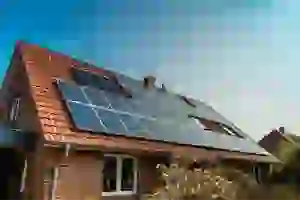
One of the simplest methods is manual cleaning. In this approach, operators use soft brushes, specialized squeegees, and demineralized water to clean the panel surfaces. This method is mostly used in small-scale or rooftop installations. Its main advantage is low equipment cost; however, in large-scale power plants, it is less efficient due to high labor requirements and longer cleaning time.
Another method involves semi‑mechanized systems. These systems use tools such as rotating brushes attached to long handles. Some of these systems are equipped with controlled water flow that cleans the panel surface simultaneously with brush rotation. This method increases cleaning speed compared to manual cleaning and is widely used in medium-sized plants.
In utility‑scale power plants, mechanized or robotic cleaning systems are typically used. These devices automatically move along panel rows and clean surfaces using specialized brushes or air and water flow. The use of such systems reduces labor costs and increases maintenance efficiency.
Solar Panel Cleaning Equipment
Solar panel cleaning devices can generally be categorized into several main groups.
The first category includes electric or motorized rotating brush systems. These devices usually have one or two large cylindrical brushes driven by an electric motor to clean panel surfaces. Some models can also be connected to a water supply.
The second category consists of solar panel cleaning robots. These robots move automatically across the panels and perform cleaning operations without direct operator involvement. This technology is widely used in large power plants worldwide, especially in desert regions with high dust levels.
The third category includes waterless (dry cleaning) systems. These devices typically use soft brushes or compressed air to remove dust. This method is particularly important in areas facing water resource limitations.
Equipment Used in Solar Power Plants in Iran
In Iran, depending on plant size and operational budget, a combination of different cleaning methods is used. In many small and medium-sized plants, manual or semi‑mechanized rotating brush systems are commonly employed, offering reasonable performance relative to their cost.
In recent years, some domestic companies have started manufacturing mechanized solar panel cleaning equipment. These systems typically include large rotating brushes, water spraying systems, and telescopic handles that enable faster cleaning operations.
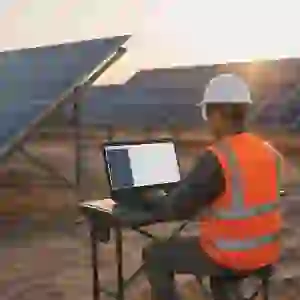
Additionally, in some large power plants located in central and desert regions of the country, the use of solar panel cleaning robots is gradually expanding. These robots automatically move along panel rows and perform cleaning operations at scheduled intervals.
Important Technical Considerations in Panel Cleaning
To prevent damage to solar panels, certain technical considerations must be observed during the cleaning process. Using low‑mineral (soft) water, avoiding cleaning during the hottest hours of the day, and using soft brushes are among the key precautions. Excessive water pressure or inappropriate detergents may damage the glass surface of the panels.
Conclusion
Regular cleaning of solar panels is one of the most essential maintenance activities in photovoltaic power plants. Selecting the appropriate cleaning method and using standard equipment can significantly help maintain energy production efficiency. In Iran, due to climatic conditions and high dust levels, the use of mechanized and semi‑mechanized cleaning systems is gradually increasing, and with the development of domestic technologies, these systems are expected to play an even more significant role in solar plant operations.