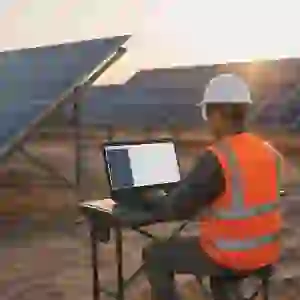

In recent years, with the expansion of photovoltaic projects around the world, the use of specialized software for the precise design of solar power plants has become increasingly important. One of the practical tools in this field is Archelios Pro, which is used for designing, simulating, and analyzing the performance of photovoltaic (PV) solar systems. This software, developed by Trace Software, is widely used in many solar projects for designing both small and large‑scale power plants.
Archelios Pro helps engineers perform accurate solar‑system design before implementation and simulate its performance under real conditions. Using this software can increase design accuracy and reduce technical and economic risks in a project.
Applications of Archelios software in solar projects
Archelios is used for designing various types of photovoltaic systems. It is capable of designing different systems such as:
- grid‑connected solar power plants
- off‑grid solar systems
- hybrid solar systems
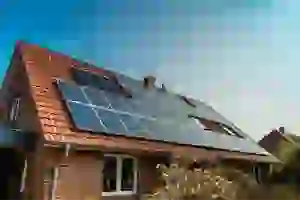
- rooftop PV installations
Using this software, engineers can enter the technical specifications of the project and evaluate the plant’s performance under various weather conditions.
Design and layout of solar panels
One of the most important features of Archelios is the ability to design and precisely arrange solar panels within the project site. In this software, the installation location of the panels can be specified, and their layout can be designed to ensure maximum solar irradiation.
During the design process, various parameters can be considered, such as:
- panel installation angle
- spacing between panel rows
- orientation of panels relative to the sun
- available ground area or mounting surface
This capability enables more optimized power‑plant design and helps prevent issues such as shading or reduced efficiency.
Shading analysis in solar power plants
Shading is one of the major factors that reduce the efficiency of PV systems. Obstacles such as buildings, trees, or even other panel rows can decrease energy production.
Archelios provides effective tools for shading analysis. By using this feature, engineers can evaluate the impact of different obstacles on system performance and adjust the plant design to minimize shading.
Energy‑production simulation
One of the most important stages in solar‑plant design is predicting annual energy production. Archelios simulates system performance using solar‑irradiance data and regional climate conditions.
In this section, the following can be analyzed:
- annual energy production
- system losses
- overall plant efficiency
- performance of panels and inverters
This information is essential for both technical system design and economic analysis.
Equipment selection for the power plant
Archelios also allows for the selection of various solar‑plant components. Engineers can choose panels, inverters, and other equipment from the software’s database and include them in the system design.
This feature ensures that the project design is more realistic and that the specifications of selected equipment are accurately reflected in the calculations.
Preparing technical project reports
Another important capability of Archelios is the generation of complete technical project reports. These reports typically include information such as:
- equipment specifications
- panel layout design
- energy‑production levels
- system‑performance analysis
- production and loss charts
These reports can be used for submission to clients, investors, or relevant authorities.
Conclusion
Archelios Pro is one of the specialized tools for designing and simulating solar power plants, helping engineers design and analyze photovoltaic projects with greater accuracy. Features such as panel‑layout design, shading analysis, energy‑production simulation, and technical reporting have made this software widely used in solar projects.
Using such tools in the design phase of a solar power plant can improve system efficiency, reduce design errors, and enhance the economic performance of the project.