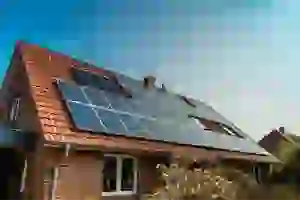

دIn recent years, the importance of renewable energy systems—especially household solar panels—has not been limited merely to reducing electricity costs and protecting the environment. One of the most important uses of these systems is providing stable electricity during crises. Natural disasters, widespread power outages, infrastructure failures, and even emergencies such as war or grid instability can all disrupt families’ access to electricity. In such situations, having an independent solar system or one equipped with a battery can play a vital role in maintaining safety, comfort, and communication.
In this article, we examine the importance and benefits of household solar systems during emergencies and crises.
The critical role of electricity in emergencies
During large-scale crises and disasters, electricity is one of the most essential needs. The lack of electricity can disrupt many daily and vital activities, including:
- communication and mobile‑phone charging
- lighting at night
- preserving food in refrigerators and freezers
- powering home medical equipment
- water pumping in certain buildings
- using small heating or cooling devices
As a result, having an independent energy source can prevent many problems and risks.
Solar panels during crises: a reliable source of energy
One of the biggest advantages of solar energy is its independence from the public grid. In situations where the grid fails, solar systems can still generate electricity. This makes household solar panels an ideal choice for emergency scenarios.
Key benefits:
- the sun is always available
- energy production does not depend on fuel, pumps, or vulnerable infrastructure
- energy storage is possible with home batteries
- continuous operation even in the days following a disaster
- high durability and resilience of solar equipment
The advantage of off‑grid solar systems during crises
Off‑grid or semi‑independent systems provide the best performance in emergencies thanks to their batteries. These systems supply usable electricity even at night.
Critical uses of battery‑equipped systems:
- nighttime lighting
- charging essential devices
- powering water pumps and purification systems
- supporting small cooking appliances
- using the inverter to run low‑consumption household appliances
With a battery, the home becomes a safe and self‑sufficient energy source.
How solar panels differ from generators during crises
Gasoline or diesel generators have traditionally been used in emergencies, but they cause many problems during severe crises:
- need for fuel, which may become scarce or dangerous
- requirement for maintenance and repairs
- smoke, pollution, and loud noise
- inability to operate for long periods without proper fuel
In contrast, solar systems:
- operate without fuel
- are silent
- require little maintenance
- are cheaper in the long run
- are reliable in all conditions
The role of solar panels in increasing household resilience
Household solar panels are one of the most important tools for improving energy resilience in homes. Resilience means the ability to continue functioning during crises.
Solar panels provide this resilience through:
- stable energy production without dependence on infrastructure
- supplying essential electricity even during prolonged outages
- protecting the health and safety of the family
- reducing risks caused by blackouts (falls, theft, lack of communication)
- enabling the use of communication devices to receive news and assistance
The importance of household solar systems in disaster‑prone areas
Regions exposed to the following hazards have the greatest need for household solar systems:
- earthquakes
- floods
- storms and high winds
- heavy snow and severe cold
- drought (disruption of water pumps)
- electrical grid instability
In many countries, these systems are considered part of crisis‑management and passive‑defense programs.
Conclusion
Home solar panels are not merely a tool for lowering electricity bills; they are a stable, reliable, and vital energy source in crisis situations. During major disasters, power outages, or emergencies, having an independent solar system can:
- increase family safety
- ensure the operation of essential equipment
- enable communication
- prevent problems caused by the lack of energy
Given climate change, the rise in natural disasters, and the importance of energy resilience, household solar panels have become one of the most important strategic tools for maintaining comfort and security during times of crisis.