
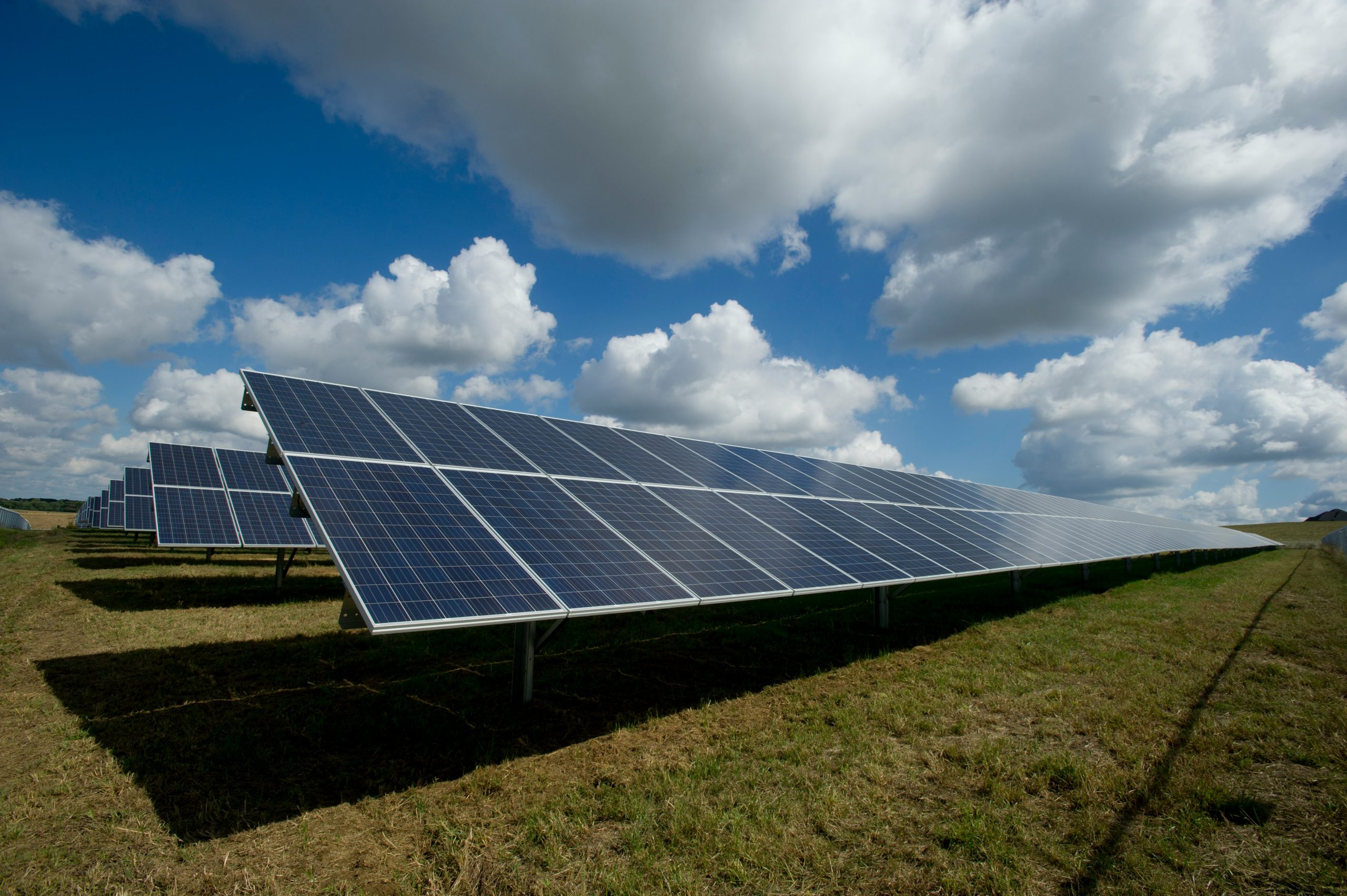
In recent years, solar energy has become the primary driving force behind the transformation of the global energy system, and the latest reports indicate that this trend will continue through 2025 and 2026—albeit with some changes in growth rate and investment models. According to forecasts published by the International Energy Agency, solar power is expected to account for about 80 percent of the increase in global renewable energy capacity in the coming years, playing the leading role in the expansion of clean electricity. This growth has been fueled by declining panel costs, rapid installation rates, and supportive governmental policies.
According to global statistics, the year 2024 set a new record for renewable energy development, with over 585 gigawatts of new capacity added to the world’s electricity network—most of it from solar energy. This increase brought total global renewable capacity to around 4,448 gigawatts, with clean sources contributing over 90 percent of new power generation. Such a trend demonstrates that solar power is no longer a complementary technology but has evolved into the backbone of electricity production for the future.
Major policy shifts have also occurred across the global energy landscape. Recent news reports show that in 2025, China’s clean electricity generation capacity exceeded fossil fuel capacity for the first time, with solar energy playing a significant role in this structural transformation. Over the past decade, China’s solar power generation capacity has increased more than fifteenfold, dramatically expanding its share within the national energy mix. This change reflects the broader movement of large economies toward low-carbon energy systems.
Elsewhere, solar power is rapidly expanding. Africa experienced the fastest growth in the solar market in 2025, with installed capacity rising by about 17 percent. The main drivers of this surge include lower panel and battery prices, the gradual removal of fossil fuel subsidies, and increased investment in domestic solar equipment manufacturing. Moreover, many countries across the continent now supply a substantial portion of their electricity from solar energy—signaling a transformation in how emerging economies approach energy development.
Despite this impressive expansion, analyses suggest that the solar market is entering a new phase. Some forecasts indicate that after years of explosive growth, the annual rate of solar plant installations may slightly decline or stabilize by 2026. Nevertheless, even with a slower growth pace, hundreds of gigawatts of new capacity are expected to be added each year, significantly boosting global totals by the end of the decade.
From a technological perspective, the solar industry has reached a new frontier. Key emerging trends include the development of energy storage systems, solar-plus-battery projects, long-term power purchase agreements (PPAs), and major technology companies investing directly in solar power infrastructure. These developments have transformed solar energy into not only a clean source but also an economically viable and reliable option for future power grids.
Overall, the latest data show that the world stands on the verge of a fundamental transformation in its energy system—one in which solar power will play a central role. Falling technological costs, rising electricity demand, environmental pressures, and intensifying economic competition among nations have together made solar energy the most promising electricity generation option of the 21st century. This trend is expected to persist and strengthen in the years ahead.
